Eco-Friendly Landscaping: Sustainable Practices for a Greener Tomorrow Apr 18, 2026
Eco-friendly landscaping begins with a deep understanding of your environment. It’s imperative to consider native plant species as a core component of your landscaping plan. Native plants are naturally adapted to the local climate and soil conditions, which means they require less water, fertilizer, and pest control than non-native varieties. This practice not only cuts down on resource use but also fosters local biodiversity by providing habitats for native wildlife.
Water management is another crucial aspect of sustainable landscaping. Implementing efficient irrigation systems, such as drip irrigation or smart watering controllers, can drastically reduce water waste. For instance, installing rain barrels is an excellent way to collect and utilize rainwater for your gardens, reducing your dependency on municipal water sources. Additionally, designing your landscape with rain gardens can help manage stormwater runoff, mitigating erosion and water pollution.
Soil health is fundamental to any thriving landscape, and an eco-friendly approach emphasizes soil conservation and enrichment. Instead of relying heavily on chemical fertilizers, consider using organic compost to enhance soil fertility. Compost not only enriches the soil with essential nutrients but also improves its structure, increasing its ability to retain water and air. Regularly testing your soil will further help identify its needs, allowing you to make informed decisions about your landscaping practices.
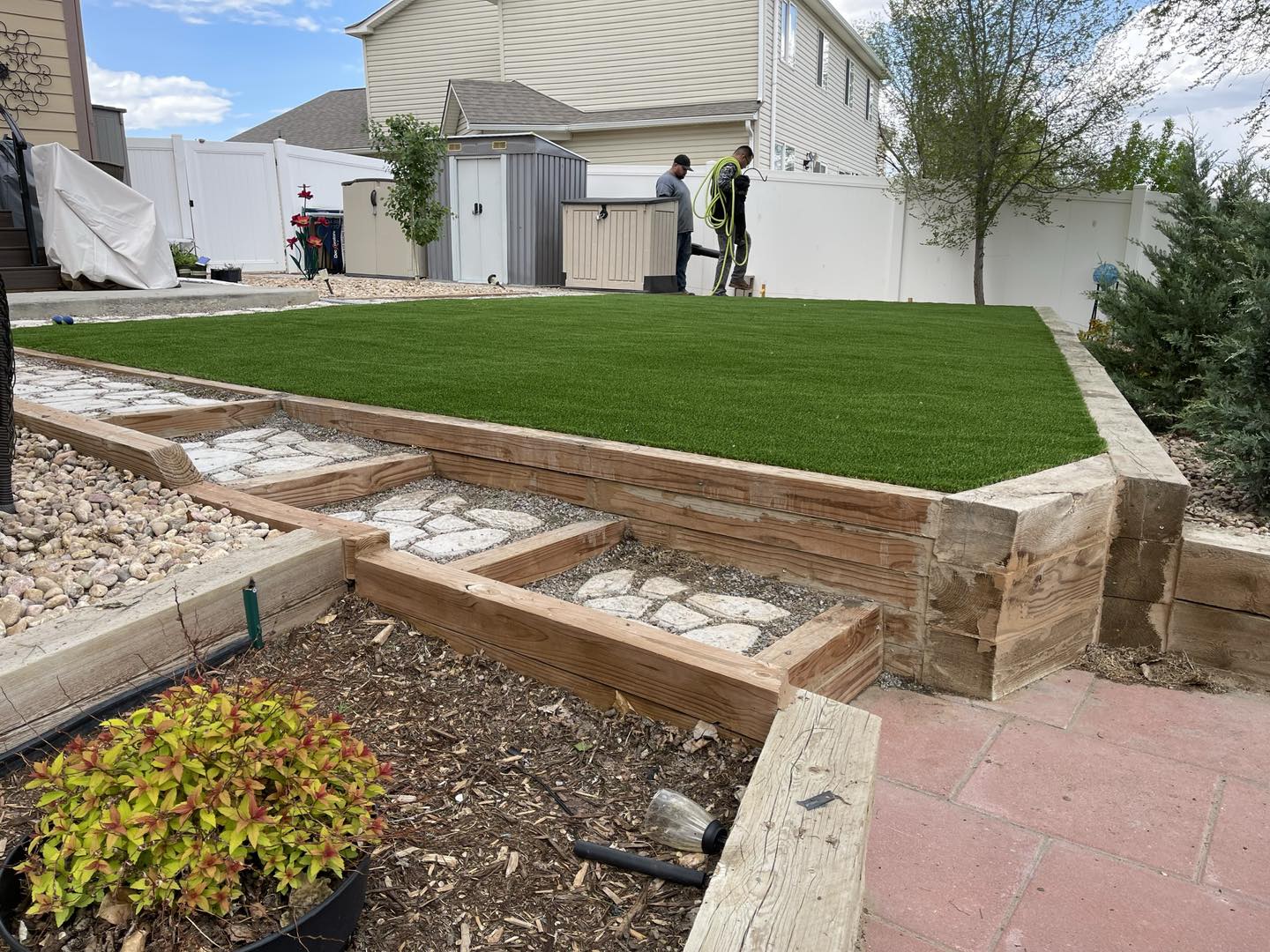
The choice of materials used in your landscape also plays a significant role in sustainability. Opt for recycled and locally-sourced materials for hardscaping features like patios, walkways, and retaining walls. This not only supports local industries but also reduces carbon emissions associated with transporting materials over long distances. Permeable paving is another sustainable option that allows rainwater to seep through, reducing runoff and helping recharge groundwater supplies.
In an eco-friendly landscape, maintenance practices should also align with sustainability goals. The integration of smart landscaping techniques, such as grass cycling where lawn clippings are left to decompose on the grass, can significantly reduce the waste sent to landfills. Utilize electric or manual tools instead of gasoline-powered equipment to minimize emissions. Additionally, encouraging beneficial insects and natural predators can reduce the need for chemical pesticides, creating a healthier ecosystem.
Lastly, educating yourself and others about eco-friendly landscaping can have a profound impact. At Forever Green Turf Pros, we are committed to helping our clients understand the benefits of sustainable practices and the positive effects they can have on the environment. Through workshops and one-on-one consultations, we aim to empower our community to make informed decisions about their landscapes.
In conclusion, eco-friendly landscaping is a valuable investment in our planet’s future, offering substantial environmental benefits and aesthetic value. By adopting these sustainable practices, you can create a landscape that is not only beautiful and resilient but also kind to the planet. Together with Forever Green Turf Pros, you can take meaningful steps toward a greener tomorrow, ensuring your landscape is a testament to sustainability and environmental stewardship.
/filters:no_upscale()/filters:format(webp)/media/b6b872b3-27c3-4d88-8160-309ec2bcfa23.jpeg)