The Perfect Combination: Integrating Softscaping with Hardscaping for a Balanced Outdoor Design Jun 03, 2026
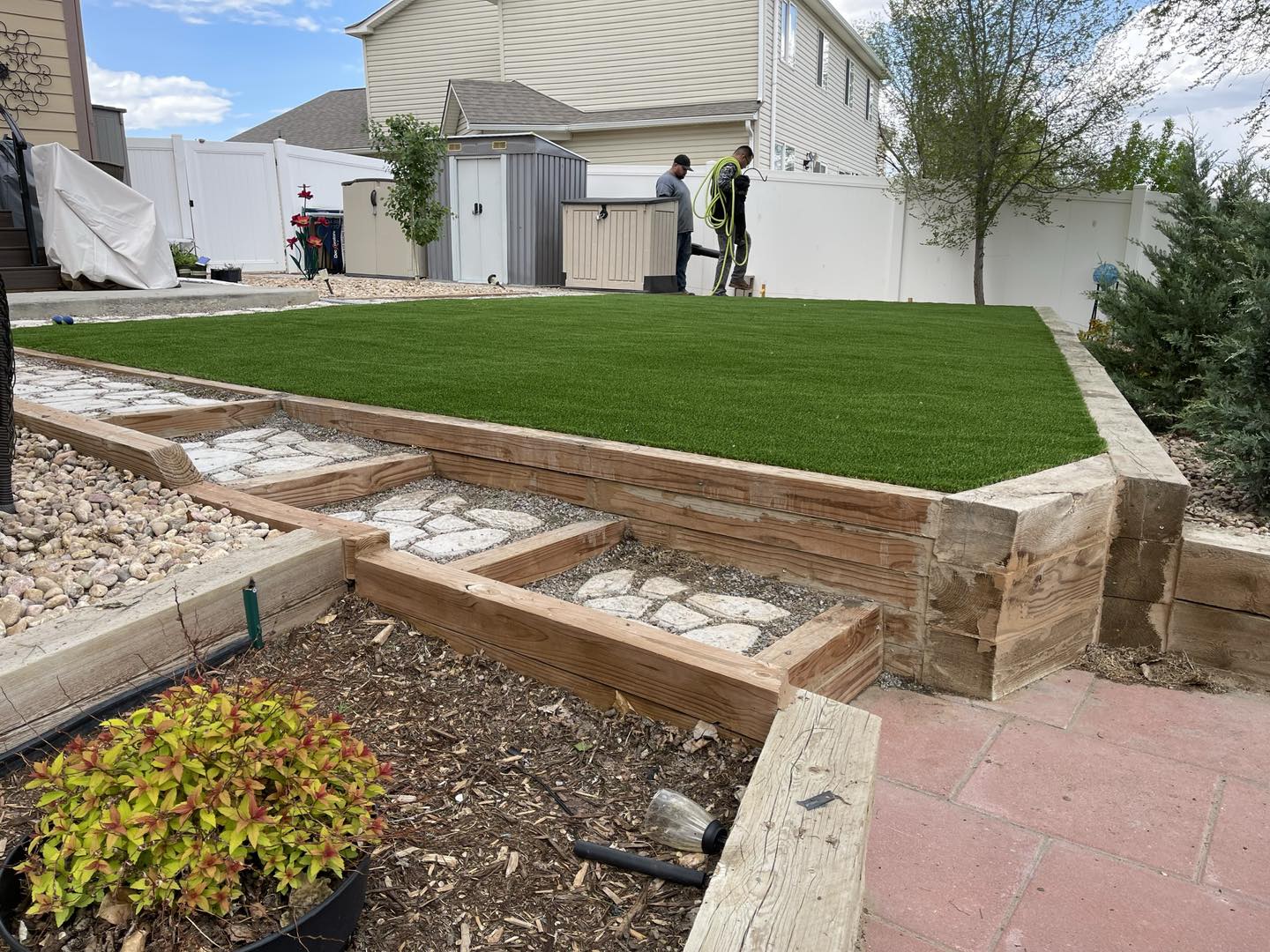
Softscaping refers to the living elements of your landscape design. This includes plants, shrubs, trees, flowers, and any other horticultural components. Hardscaping, on the other hand, encompasses the non-living elements such as decks, patios, pathways, and stone walls. When these elements are skillfully combined, they can transform an ordinary yard into a breathtaking oasis.
The integration process begins with a well-thought-out plan. Start by evaluating the existing features of your outdoor space. Consider factors such as the natural contour of your land, sunlight exposure, soil conditions, and drainage patterns. This initial step helps in deciding which softscaping elements are best suited to thrive in your environment while complementing the hardscaping features that you plan to incorporate.
One of the keys to achieving a balanced design is maintaining proportion. Hardscaping features, like walkways and patios, should invite navigation without overwhelming the greenery. An oversized patio, for example, may overshadow your garden beds, making the area feel stark rather than inviting. By blending curved pathways with lush flower borders, you create a flow that naturally guides visitors through your garden, enhancing both functionality and aesthetics.
A seamless integration often involves selecting complementary materials. Choosing stone or paver colors that match or accentuate the shades of your home’s exterior and the natural surroundings creates a cohesive look. Furthermore, complementing the textural variety of hard surfaces with the softness of greenery adds depth and interest to the landscape.
Another important consideration is the role of focal points. These are specific areas in your landscape that draw attention, such as a beautiful fountain surrounded by vibrant plant beds or a tranquil sitting area beneath a canopy of trees. By strategically placing such features, you can emphasize the harmony between softscaping and hardscaping, drawing the eye naturally and inviting exploration.
Maintenance is a vital aspect to consider when planning your landscape. A balanced design will not only look aesthetically pleasing but also be sustainable and easy to maintain. Select plant species that can withstand local climate conditions with minimal care and choose durable hardscape materials that require little upkeep, ensuring that they endure through the seasons without losing appeal.
Finally, lighting plays a crucial role in unifying your outdoor space. Proper lighting extends the usability of your outdoor area beyond daylight hours and highlights both softscaping and hardscaping elements. Consider path lights to illuminate walkways, feature lights to highlight trees or water features, and ambient lighting for patios to create an inviting and functional outdoor living space.
In conclusion, the integration of softscaping and hardscaping requires careful planning and execution but yields a landscape that is not only beautiful but also functional and sustainable. By collaborating with professionals like Forever Green Turf Pros, you’ll gain the expertise needed to craft an outdoor area that perfectly reflects your style and meets your lifestyle needs. Embrace the art of combining these elements and enjoy a harmonious and inviting outdoor retreat right in your backyard.
/filters:no_upscale()/filters:format(webp)/media/b6b872b3-27c3-4d88-8160-309ec2bcfa23.jpeg)